Mobile Telephone Technology_ A Complete Guide to Modern Mobile Communication
Mobile telephone technology has become one of the most important innovations in human history. It has transformed how people communicate, access information, conduct business, learn, shop, and manage daily life. Today, billions of people rely on mobile devices for everything from making phone calls to streaming videos, online banking, remote work, and healthcare services.
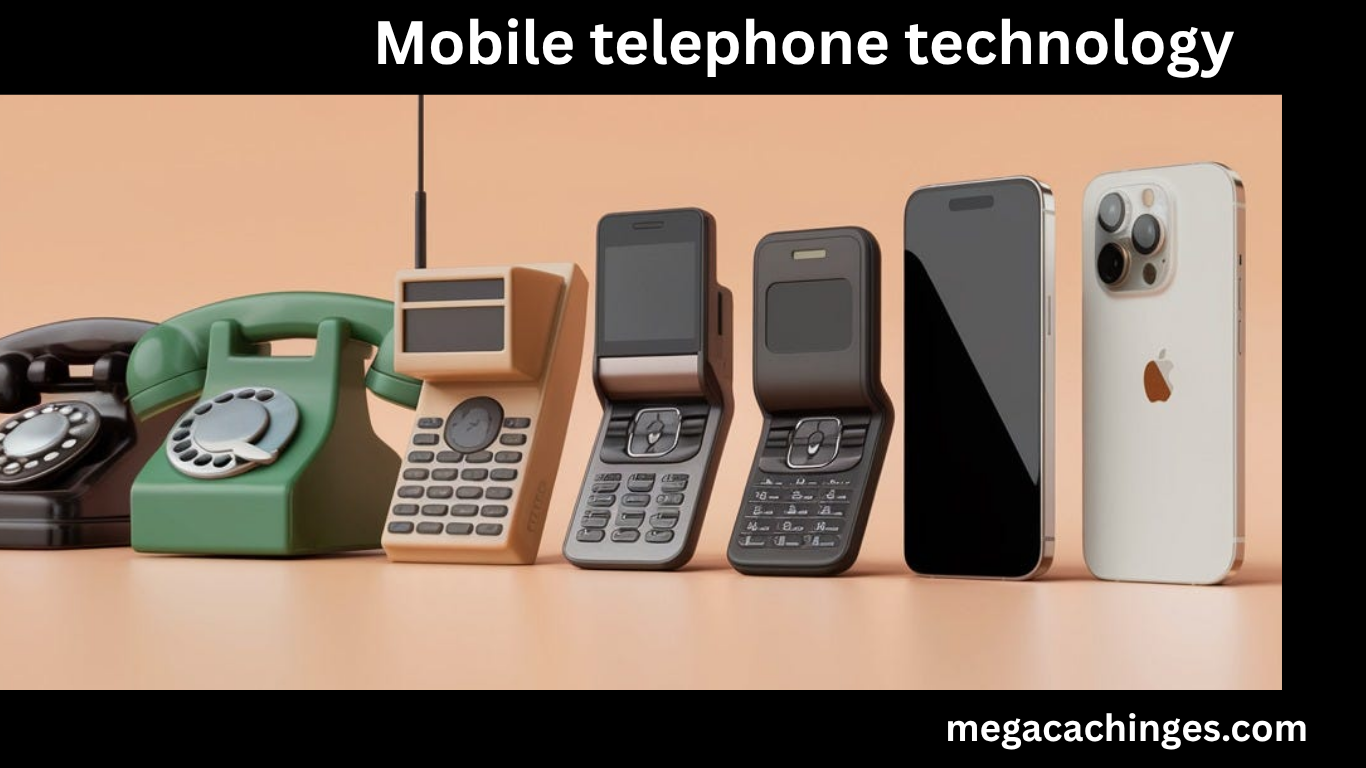
The growth of mobile telephone technology has been remarkable. What began as a simple wireless communication system has evolved into a powerful global network connecting people and devices across the world. Modern smartphones now offer capabilities that were once available only on high-end computers.
As technology continues to advance, mobile communication is becoming faster, smarter, and more integrated into everyday life. Understanding mobile telephone technology helps consumers, businesses, and professionals make informed decisions about the devices and services they use.
This comprehensive guide explores the history, evolution, components, benefits, challenges, trends, and future of mobile telephone technology.
What Is Mobile Telephone Technology?
Mobile telephone technology refers to the systems, networks, devices, and communication methods that enable wireless communication through mobile phones and other portable devices.
Unlike traditional landline phones that require physical cables, mobile phones use radio waves and cellular networks to send and receive information.
Mobile telephone technology includes:
- Smartphones and mobile devices
- Cellular towers
- Wireless communication networks
- Mobile operating systems
- Data transmission technologies
- Mobile applications
- Cloud-based services
- Security systems
Together, these components create a seamless communication experience that allows users to stay connected from almost anywhere.
The History of Mobile Telephone Technology
Understanding the history of mobile telephone technology helps explain how modern communication systems developed.
Early Wireless Communication
The foundations of wireless communication were established through discoveries in radio technology during the late nineteenth and early twentieth centuries.
Scientists learned that information could be transmitted through electromagnetic waves without physical wires. These discoveries led to the development of radio communication systems used by military organizations, transportation services, and emergency responders.
The First Mobile Phone
The first handheld mobile phone call was made in 1973 by engineer Martin Cooper. The device was large, heavy, and had limited battery life. However, it demonstrated that portable wireless communication was possible.
This breakthrough marked the beginning of the mobile communication era.
Commercial Cellular Networks
During the 1980s, commercial cellular networks became available to consumers. These systems introduced the concept of dividing geographic areas into cells, each served by a cellular tower.
This cellular structure remains the foundation of modern mobile telephone technology.
The Smartphone Revolution
The arrival of smartphones transformed mobile phones from communication devices into portable computers.
Touchscreens, internet access, mobile applications, and advanced processing power changed consumer expectations. Smartphones became essential tools for work, education, entertainment, and communication.
Today, modern smartphones continue to push the boundaries of mobile technology.
How Mobile Telephone Technology Works
Although mobile communication appears simple to users, it relies on sophisticated systems operating behind the scenes.
Cellular Networks
Cellular networks divide geographic regions into smaller areas called cells.
Each cell contains a base station or cellular tower that communicates with nearby devices.
When a user makes a call or accesses the internet, the mobile phone connects to the nearest tower. Information is then routed through the network infrastructure to its destination.
Radio Frequency Communication
Mobile phones communicate using radio frequency signals.
The process involves:
- Converting voice or data into digital information.
- Encoding and compressing the information.
- Transmitting radio signals to a cellular tower.
- Routing information through the network.
- Delivering the information to the receiving device.
This process happens within milliseconds.
Mobile Switching Centers
Mobile switching centers manage communication traffic across the network.
Their responsibilities include:
- Routing calls
- Managing connections
- Authenticating users
- Supporting roaming services
- Tracking device locations
These systems help ensure efficient communication between millions of devices.
Data Transmission
Modern mobile telephone technology supports much more than voice communication.
Today’s networks handle:
- Internet browsing
- Video streaming
- Text messaging
- Video calls
- Cloud applications
- Social media
- Online gaming
- Digital transactions
Advanced technologies help networks manage large amounts of data efficiently.
Evolution of Mobile Network Generations
The development of mobile telephone technology is often categorized by network generations.
1G Networks
First-generation networks appeared during the 1980s.
Features included:
- Analog communication
- Voice-only services
- Limited security
- Lower call quality
Although basic, 1G laid the groundwork for future advancements.
2G Networks
Second-generation technology introduced digital communication.
Benefits included:
- Better voice quality
- Enhanced security
- Text messaging
- Improved network efficiency
SMS messaging became one of the most popular communication methods worldwide.
3G Networks
Third-generation technology expanded mobile internet access.
Key improvements included:
- Mobile web browsing
- Video calls
- Email access
- Multimedia messaging
3G transformed mobile phones into internet-connected devices.
4G Networks
Fourth-generation networks significantly improved performance.
Advantages included:
- Faster internet speeds
- High-definition streaming
- Better reliability
- Enhanced mobile applications
4G created the foundation for modern smartphone experiences.
5G Networks
5G represents the latest major advancement in mobile telephone technology.
Benefits include:
- Ultra-fast speeds
- Reduced latency
- Improved network capacity
- Better connectivity for smart devices
- Enhanced reliability
5G supports advanced technologies such as smart cities, autonomous vehicles, and industrial automation.
Key Components of Mobile Telephone Technology
Several technologies work together to make modern mobile communication possible.
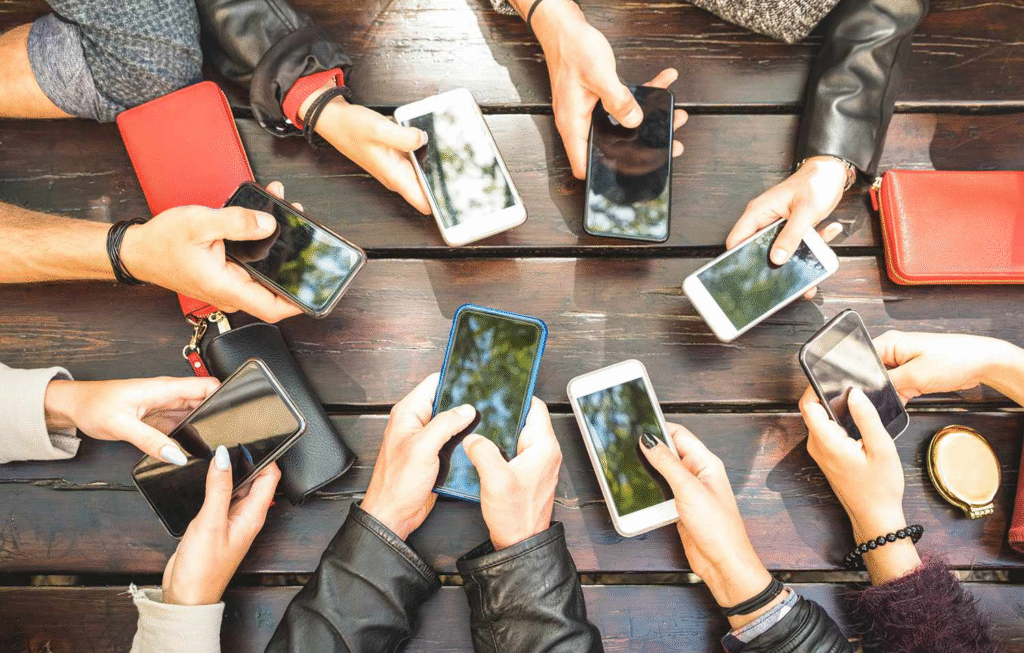
Smartphones
Smartphones serve as the primary user interface.
Important components include:
- Processors
- Memory
- Cameras
- Displays
- Sensors
- Batteries
- Communication chips
Modern smartphones offer computing power that rivals some traditional computers.
SIM and eSIM Technology
SIM cards identify users on cellular networks.
They provide:
- Authentication
- Security
- Network access
- Subscriber identification
Newer eSIM technology allows digital activation without physical cards.
Mobile Operating Systems
Operating systems manage device functionality.
Popular platforms include Android and iOS.
These systems control:
- Applications
- Security
- User interfaces
- Hardware management
Mobile Applications
Apps extend smartphone functionality.
Common categories include:
- Communication
- Productivity
- Education
- Banking
- Healthcare
- Entertainment
- Navigation
The mobile application ecosystem contributes billions of dollars to the global economy.
Benefits of Mobile Telephone Technology
The impact of mobile telephone technology extends across nearly every aspect of society.
Improved Communication
Instant communication allows people to connect regardless of location.
Users can:
- Make calls
- Send messages
- Share media
- Conduct video meetings
Communication has become faster and more convenient than ever before.
Increased Productivity
Mobile devices allow professionals to work remotely and stay connected.
Benefits include:
- Access to documents
- Email communication
- Virtual meetings
- Project management
- Real-time collaboration
This flexibility supports modern work environments.
Better Access to Information
Mobile internet provides instant access to knowledge.
Users can:
- Search information
- Read articles
- Watch educational videos
- Participate in online courses
Access to information helps individuals make informed decisions.
Economic Growth
Mobile telephone technology supports economic development through:
- Job creation
- Digital commerce
- Entrepreneurship
- Financial inclusion
- Innovation
Many modern businesses rely heavily on mobile connectivity.
Mobile Telephone Technology in Everyday Life
Mobile Banking
Mobile banking has transformed financial services.
Users can:
- Transfer money
- Pay bills
- Monitor accounts
- Apply for loans
- Invest online
This convenience has improved financial accessibility.
Healthcare Services
Mobile technology supports healthcare through:
- Telemedicine
- Remote monitoring
- Appointment scheduling
- Health tracking
- Emergency communication
Healthcare providers can now reach patients more efficiently.
Education
Mobile learning provides educational opportunities to people worldwide.
Students can:
- Attend online classes
- Access learning materials
- Submit assignments
- Participate in discussions
Education is becoming more flexible and accessible.
Transportation
Mobile devices assist with:
- Navigation
- Traffic updates
- Ride-sharing services
- Travel planning
These tools improve convenience and efficiency.
The Role of Artificial Intelligence in Mobile Telephone Technology
Artificial intelligence is becoming increasingly important in mobile telephone technology.
AI powers many smartphone features, including:
- Voice assistants
- Predictive text
- Language translation
- Camera enhancements
- Battery optimization
- Personalized recommendations
As AI technology advances, smartphones will become even more intelligent and efficient.
Mobile Telephone Technology and the Internet of Things
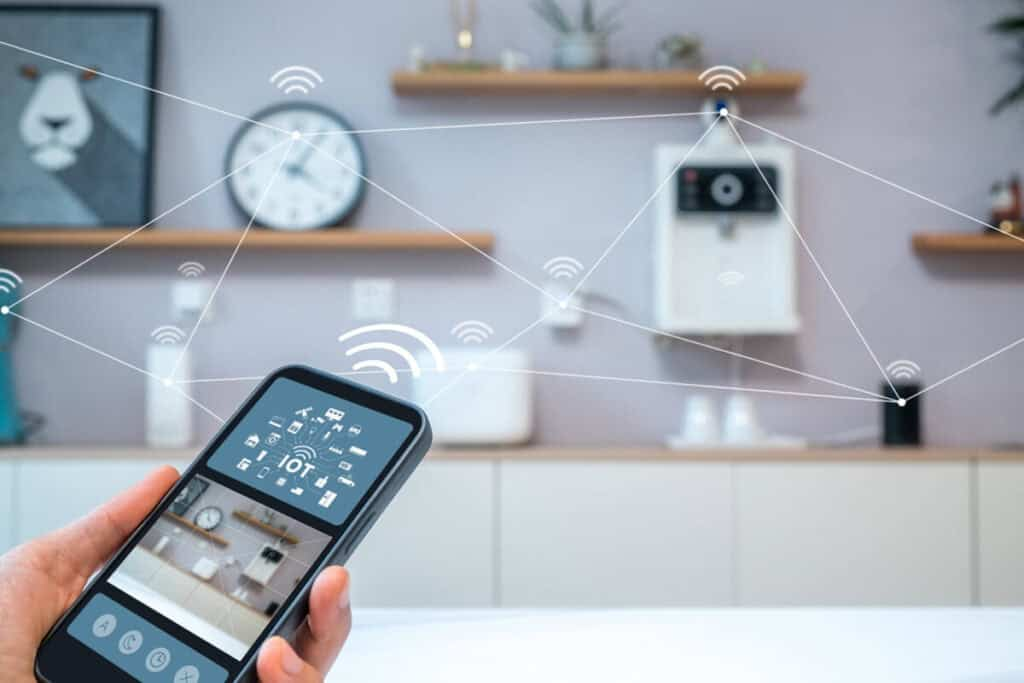
The Internet of Things (IoT) refers to networks of connected devices that communicate through the internet.
Examples include:
- Smart homes
- Connected vehicles
- Wearable devices
- Industrial sensors
- Smart appliances
Mobile telephone technology provides the connectivity that enables these systems to operate effectively.
Also Read : Mobile Technologies Inc MTI _ Complete Company Guide, History, Services, Products, and Future Growth
Security and Privacy Challenges
While mobile telephone technology offers many benefits, it also creates security concerns.
Data Privacy
Mobile devices collect significant amounts of personal information.
Users should protect:
- Location data
- Financial information
- Personal communications
- Online activity
Cybersecurity Threats
Common threats include:
- Malware
- Phishing attacks
- Identity theft
- Data breaches
Strong security practices are essential.
Best Security Practices
Users should:
- Use strong passwords
- Enable two-factor authentication
- Update software regularly
- Download apps from trusted sources
- Avoid suspicious links
These steps help reduce security risks.
Environmental Impact of Mobile Telephone Technology
The rapid growth of mobile devices has environmental consequences.
Electronic Waste
Millions of devices are discarded annually.
Proper recycling helps recover valuable materials and reduce waste.
Energy Consumption
Network infrastructure and data centers require significant energy resources.
Many companies are investing in renewable energy and efficiency improvements.
Sustainable Innovation
Manufacturers are increasingly focusing on:
- Recyclable materials
- Longer device lifespans
- Energy-efficient designs
- Reduced packaging waste
Sustainability is becoming a major priority across the industry.
Future Trends in Mobile Telephone Technology
The future of mobile telephone technology looks promising.
Expansion of 5G
5G adoption will continue growing worldwide.
This expansion will support:
- Faster connectivity
- Improved services
- New business opportunities
Development of 6G
Although still in early research stages, 6G is expected to deliver:
- Extremely high speeds
- Near-instant communication
- Advanced AI integration
- Enhanced virtual experiences
Foldable and Flexible Devices
Innovative hardware designs will continue evolving.
Flexible displays may create entirely new user experiences.
Augmented Reality and Virtual Reality
Mobile devices will increasingly support immersive technologies.
Potential applications include:
- Education
- Healthcare
- Training
- Entertainment
- Retail
Smarter Artificial Intelligence
Future smartphones may offer:
- More natural conversations
- Better automation
- Advanced personalization
- Improved efficiency
AI will likely become a core component of future mobile experiences.
Expert Analysis: Why Mobile Telephone Technology Continues to Grow
One reason mobile telephone technology continues to expand is its ability to solve real-world problems.
Unlike many technologies that serve limited purposes, mobile communication supports nearly every aspect of modern life.
Businesses use mobile networks to reach customers.
Students use mobile devices to learn.
Healthcare providers use mobile technology to improve patient care.
Governments use mobile systems to deliver services.
Consumers rely on smartphones for communication, shopping, navigation, and entertainment.
The technology continues to evolve because it delivers measurable value across multiple industries.
Another key factor is adaptability. Mobile telephone technology consistently integrates new innovations such as artificial intelligence, cloud computing, machine learning, and advanced networking systems.
This ability to evolve ensures long-term relevance and continued growth.
Conclusion
Mobile telephone technology has become a cornerstone of modern society. From its origins as a simple wireless communication system to today’s sophisticated smartphone ecosystem, it has transformed how people communicate, work, learn, and interact with the world.
The evolution from 1G to 5G demonstrates the remarkable pace of innovation in the mobile industry. As artificial intelligence, IoT, augmented reality, and future 6G networks emerge, mobile technology will continue reshaping industries and daily life.
For consumers and businesses alike, understanding mobile telephone technology is essential in an increasingly connected world. The future promises even faster, smarter, and more powerful communication systems that will drive the next wave of digital transformation.
FAQs About Mobile Telephone Technology
How does mobile telephone technology differ from traditional telephone technology?
Traditional telephones rely on physical wires, while mobile telephone technology uses wireless radio signals and cellular networks to transmit communication.
Why is mobile telephone technology important?
It enables instant communication, internet access, digital services, remote work, education, healthcare, and economic growth.
What is the biggest advantage of 5G mobile telephone technology?
The biggest advantage is its combination of high speed, low latency, and increased network capacity, which supports advanced digital applications.
How secure is mobile telephone technology?
Modern mobile networks include strong security features, but users must follow good cybersecurity practices to protect their personal information.
What role does artificial intelligence play in mobile telephone technology?
AI improves voice assistants, camera performance, battery management, language translation, security features, and personalized user experiences.
Will 6G replace 5G?
Eventually, 6G is expected to succeed 5G, but widespread deployment will likely take many years.
Can mobile telephone technology help rural communities?
Yes. Mobile networks can provide communication, education, healthcare, banking, and internet access in underserved areas.
How does mobile telephone technology support smart cities?
It enables connected infrastructure, traffic management, public safety systems, environmental monitoring, and efficient resource management.
What industries benefit most from mobile telephone technology?
Healthcare, education, finance, transportation, manufacturing, retail, entertainment, and government services all benefit significantly.
What is the future of mobile telephone technology?
The future includes expanded 5G adoption, emerging 6G networks, smarter AI integration, advanced IoT connectivity, augmented reality experiences, and increasingly intelligent mobile devices.