Mobile Procurement Technology_ The Complete Guide to Smarter Purchasing in 2026
Businesses today operate in a fast-moving digital environment where speed, efficiency, and cost control are critical for success. Traditional procurement processes that rely on paper forms, emails, spreadsheets, and desktop-only systems often slow down purchasing activities and create unnecessary delays.
This is where mobile procurement technology is transforming the way organizations manage purchasing operations. Companies can now approve purchase requests, monitor spending, manage suppliers, and track procurement activities directly from smartphones and tablets. As mobile devices become an essential part of daily business operations, procurement teams are embracing mobile-first solutions to improve productivity and decision-making.
Mobile procurement technology is no longer a luxury for large enterprises. Small businesses, mid-sized companies, and global organizations are adopting mobile procurement solutions to streamline workflows, reduce procurement cycle times, and improve visibility across purchasing activities.
This comprehensive guide explores everything businesses need to know about mobile procurement technology, including its benefits, features, applications, challenges, future trends, and best practices for implementation.
What Is Mobile Procurement Technology?
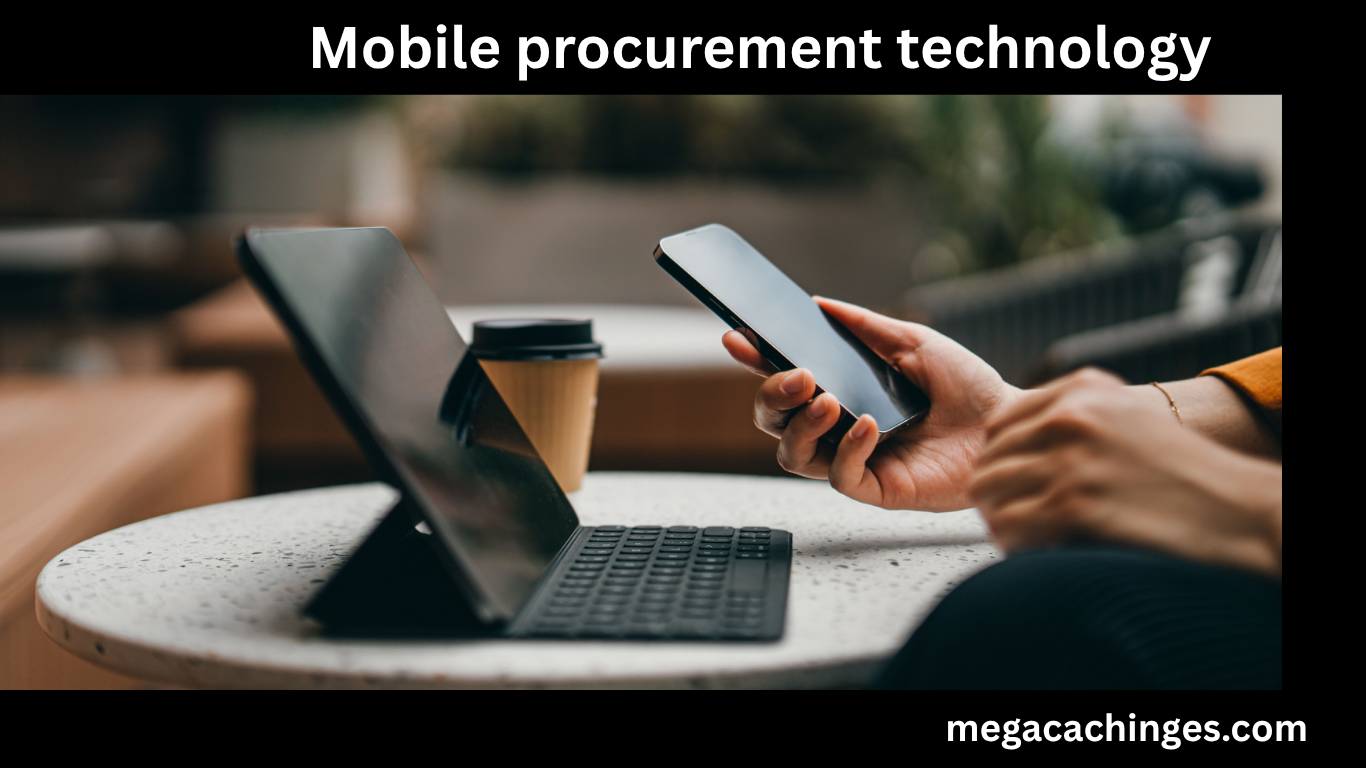
Mobile procurement technology refers to software, applications, and digital tools that allow procurement professionals to perform purchasing and supply management tasks using mobile devices such as smartphones and tablets.
Instead of being tied to a desktop computer, users can access procurement systems from virtually anywhere. This mobility enables faster approvals, real-time communication, and immediate access to purchasing data.
Common procurement functions available through mobile procurement technology include:
- Purchase requisition creation
- Purchase order approval
- Supplier communication
- Contract management
- Expense monitoring
- Inventory tracking
- Invoice review
- Procurement analytics
- Spend management
- Vendor performance monitoring
The goal is to make procurement processes faster, more efficient, and accessible regardless of location.
Why Mobile Procurement Technology Matters in Modern Business
Business operations have become increasingly mobile. Employees work remotely, managers travel frequently, and global teams collaborate across different locations and time zones.
Traditional procurement systems often create bottlenecks when approvals or purchasing decisions require access to office-based software. Delays in procurement can impact production schedules, customer satisfaction, and business profitability.
Mobile procurement technology addresses these challenges by providing instant access to procurement workflows.
Key reasons why organizations are investing in mobile procurement technology include:
- Faster purchasing decisions
- Increased workforce mobility
- Better supplier collaboration
- Reduced operational delays
- Improved spend visibility
- Enhanced employee productivity
- Greater procurement efficiency
Organizations that adopt mobile procurement solutions often experience shorter procurement cycles and improved operational performance.
The Evolution of Procurement Technology
Procurement has undergone significant transformation over the past few decades.
Paper-Based Procurement Era
In the past, procurement relied heavily on paper documents. Purchase requests, approvals, invoices, and supplier records were managed manually.
Challenges included:
- Slow processing
- Human errors
- Lost documents
- Limited visibility
- High administrative costs
Electronic Procurement Systems
The introduction of digital procurement software improved efficiency by automating many manual processes.
Benefits included:
- Centralized purchasing data
- Automated workflows
- Better reporting
- Improved compliance
However, many systems remained desktop-dependent.
Mobile Procurement Technology Era
The next evolution brought procurement directly to mobile devices.
Today, procurement professionals can:
- Approve requests from anywhere
- Access supplier information instantly
- Receive real-time notifications
- Track spending on the go
- Make faster purchasing decisions
This shift has fundamentally changed how procurement teams operate.
Core Features of Mobile Procurement Technology
Modern mobile procurement technology platforms offer a wide range of capabilities designed to support procurement activities.
Mobile Purchase Requisitions
Employees can submit purchasing requests directly from mobile devices.
Benefits include:
- Faster request submission
- Reduced paperwork
- Improved user experience
- Better request tracking
Mobile Purchase Order Approvals
Managers can review and approve purchase orders instantly.
Advantages include:
- Reduced approval delays
- Faster procurement cycles
- Improved responsiveness
Real-Time Notifications
Users receive alerts for:
- Pending approvals
- Supplier updates
- Contract expirations
- Budget limits
- Invoice processing
Real-time communication keeps procurement workflows moving efficiently.
Supplier Management
Mobile access to supplier data allows procurement professionals to:
- View vendor information
- Evaluate supplier performance
- Communicate with vendors
- Track supplier compliance
Spend Analytics
Mobile dashboards provide visibility into:
- Purchasing trends
- Budget utilization
- Cost-saving opportunities
- Departmental spending
Decision-makers can monitor procurement performance from anywhere.
Digital Document Management
Procurement teams can access important documents including:
- Contracts
- Purchase orders
- Invoices
- Supplier agreements
This improves accessibility and reduces dependency on physical files.
Key Benefits of Mobile Procurement Technology
Organizations implementing mobile procurement technology often experience significant business benefits.
Faster Procurement Processes
One of the biggest advantages is speed.
Mobile approvals eliminate waiting periods that often occur when managers are away from their desks.
As a result:
- Purchase orders move faster
- Supplier payments are processed quicker
- Business operations remain uninterrupted
Improved Productivity
Procurement professionals can complete tasks from any location.
This flexibility allows teams to:
- Respond faster
- Manage more transactions
- Reduce administrative work
Better Decision-Making
Real-time access to procurement data supports informed decisions.
Managers can review:
- Current spending
- Supplier performance
- Inventory levels
- Budget status
before approving purchases.

Also Read : How to Install State Farm Technology by Cambridge Mobile Telematics _ Complete Step-by-Step Guide for 2026
Enhanced Cost Control
Mobile procurement technology provides better visibility into spending activities.
Organizations can:
- Monitor budgets
- Identify unnecessary expenses
- Reduce maverick spending
- Improve financial accountability
Stronger Supplier Relationships
Quick communication and faster approvals improve supplier satisfaction.
Benefits include:
- Better collaboration
- Faster issue resolution
- Improved trust
- Stronger partnerships
Increased Compliance
Automated workflows ensure purchasing activities follow company policies.
This helps organizations:
- Reduce compliance risks
- Improve audit readiness
- Enforce procurement standards
Industries Benefiting from Mobile Procurement Technology
Many industries are leveraging mobile procurement solutions.
Healthcare
Hospitals and healthcare providers use mobile procurement technology to manage:
- Medical supplies
- Equipment purchases
- Vendor relationships
Quick procurement is critical for patient care.
Manufacturing
Manufacturers rely on mobile procurement for:
- Raw material purchasing
- Inventory monitoring
- Supplier management
Faster procurement supports production continuity.
Construction
Construction managers often work on job sites rather than offices.
Mobile procurement technology enables:
- On-site approvals
- Material ordering
- Supplier communication
Retail
Retail businesses use mobile procurement to:
- Track inventory
- Replenish stock
- Manage suppliers
This improves product availability.
Government
Public sector organizations use mobile procurement tools to increase transparency and efficiency while maintaining compliance.
How Mobile Procurement Technology Supports Remote Work
Remote and hybrid work environments have accelerated digital transformation.
Mobile procurement technology supports remote teams by providing:
- Cloud-based access
- Mobile approvals
- Real-time collaboration
- Centralized information
Employees no longer need physical access to office systems to complete procurement tasks.
This flexibility has become essential for modern business operations.
Security Considerations in Mobile Procurement Technology
Security is a major concern when procurement activities occur on mobile devices.
Organizations should prioritize:
Multi-Factor Authentication
Additional verification helps protect procurement systems from unauthorized access.
Data Encryption
Encryption protects sensitive procurement information during transmission and storage.
Secure Mobile Applications
Procurement apps should include:
- Secure login protocols
- Role-based access controls
- Automatic session timeouts

Also Read : What Are Mobile Technologies Give Examples? A Complete Guide for Beginners in 2026
Device Management
Mobile device management solutions help organizations secure company data across employee devices.
Common Challenges of Mobile Procurement Technology
Despite its advantages, implementation may present challenges.
User Adoption
Employees may resist changing established procurement processes.
Organizations should provide:
- Training
- User support
- Clear implementation plans
Integration Complexity
Mobile procurement systems often need to connect with:
- ERP systems
- Accounting software
- Inventory platforms
Proper integration planning is essential.
Security Risks
Mobile devices can be vulnerable to:
- Theft
- Unauthorized access
- Cyberattacks
Strong security measures help mitigate these risks.
Connectivity Issues
Some users may experience limited access in remote locations with poor internet connectivity.
Offline functionality can help address this challenge.
Artificial Intelligence and Mobile Procurement Technology
Artificial intelligence is becoming an important component of modern procurement systems.
AI-powered mobile procurement technology can:
- Predict purchasing needs
- Analyze supplier performance
- Detect spending anomalies
- Recommend vendors
- Automate routine tasks
These capabilities improve efficiency and support strategic procurement decisions.
The Role of Cloud Computing
Cloud technology plays a critical role in mobile procurement.
Cloud-based procurement platforms provide:
- Anywhere access
- Automatic updates
- Scalability
- Lower infrastructure costs
The combination of cloud computing and mobile procurement technology enables organizations to operate more efficiently.
Future Trends in Mobile Procurement Technology
Several trends are shaping the future of procurement.
AI-Powered Procurement Assistants
Virtual assistants will help users complete procurement tasks through conversational interfaces.
Predictive Analytics
Advanced analytics will forecast purchasing requirements and supplier risks.
Blockchain Integration
Blockchain technology may improve procurement transparency and supply chain traceability.
Voice-Enabled Procurement
Users may approve purchases and access procurement information through voice commands.
Enhanced Mobile User Experience
Future solutions will focus on simpler interfaces and faster workflows.
Sustainability Tracking
Organizations will increasingly use mobile procurement technology to monitor environmental and social procurement goals.
Best Practices for Implementing Mobile Procurement Technology
Successful implementation requires careful planning.
Define Clear Objectives
Identify desired outcomes such as:
- Faster approvals
- Cost savings
- Better compliance
Select the Right Platform
Choose a solution that aligns with organizational requirements.
Prioritize Security
Implement strong cybersecurity measures from the beginning.
Train Employees
Provide comprehensive training to maximize adoption.
Monitor Performance
Track key performance indicators such as:
- Procurement cycle time
- Cost savings
- User adoption rates
- Supplier performance
Continuous improvement ensures long-term success.
How to Choose the Best Mobile Procurement Technology Solution
Organizations should evaluate several factors before selecting a platform.
Important considerations include:
- Ease of use
- Mobile functionality
- Security features
- Integration capabilities
- Reporting tools
- Scalability
- Vendor support
- Total cost of ownership
A thorough evaluation process helps ensure a successful investment.
Why Mobile Procurement Technology Is Becoming Essential
The business world continues to move toward greater mobility, automation, and digital transformation.
Organizations that rely solely on traditional procurement methods may struggle to keep pace with competitors that embrace modern technology.
Mobile procurement technology delivers:
- Faster operations
- Better visibility
- Improved collaboration
- Enhanced compliance
- Greater efficiency
As businesses continue to prioritize agility and responsiveness, mobile procurement solutions are becoming a critical component of procurement strategy.
Conclusion
Mobile procurement technology has transformed procurement from a slow, office-based function into a dynamic, mobile-enabled business process. By allowing users to manage purchasing activities from anywhere, organizations gain speed, visibility, flexibility, and control over procurement operations.
The combination of mobile accessibility, cloud computing, artificial intelligence, and automation is reshaping the future of procurement. Companies that invest in modern mobile procurement technology today are positioning themselves for greater efficiency, stronger supplier relationships, and long-term competitive advantage.
As digital transformation continues to accelerate, mobile procurement technology will remain a key driver of smarter purchasing decisions and operational excellence across industries.
FAQs About Mobile Procurement Technology
What makes mobile procurement technology different from traditional e-procurement systems?
Traditional e-procurement systems are often desktop-focused, while mobile procurement technology allows users to complete procurement tasks through smartphones and tablets from any location.
Can small businesses benefit from mobile procurement technology?
Yes. Small businesses can improve purchasing efficiency, reduce administrative work, and gain better spending visibility through mobile procurement solutions.
Does mobile procurement technology reduce procurement costs?
In many cases, yes. Faster approvals, improved spend control, reduced paperwork, and better supplier management can contribute to cost savings.
How long does it take to implement a mobile procurement system?
Implementation timelines vary depending on company size, system complexity, and integration requirements. Many organizations complete implementation within a few weeks to several months.
Can mobile procurement technology work offline?
Some platforms offer offline capabilities that allow users to perform certain tasks without an internet connection and synchronize data later.
What role does automation play in mobile procurement technology?
Automation helps reduce manual work by streamlining approvals, purchase order creation, invoice processing, and supplier communications.
Is mobile procurement technology suitable for global organizations?
Yes. Global companies benefit from real-time access, cross-border collaboration, centralized procurement data, and faster decision-making.
How does mobile procurement technology support sustainability initiatives?
Organizations can track sustainable sourcing practices, monitor supplier compliance, reduce paper usage, and measure environmental procurement goals.
What skills are needed to use mobile procurement technology?
Most modern platforms are designed with user-friendly interfaces, requiring minimal technical expertise. Basic mobile device skills are usually sufficient.
What is the future outlook for mobile procurement technology?
The future includes greater use of artificial intelligence, predictive analytics, blockchain, voice-enabled purchasing, and advanced automation to further improve procurement efficiency.