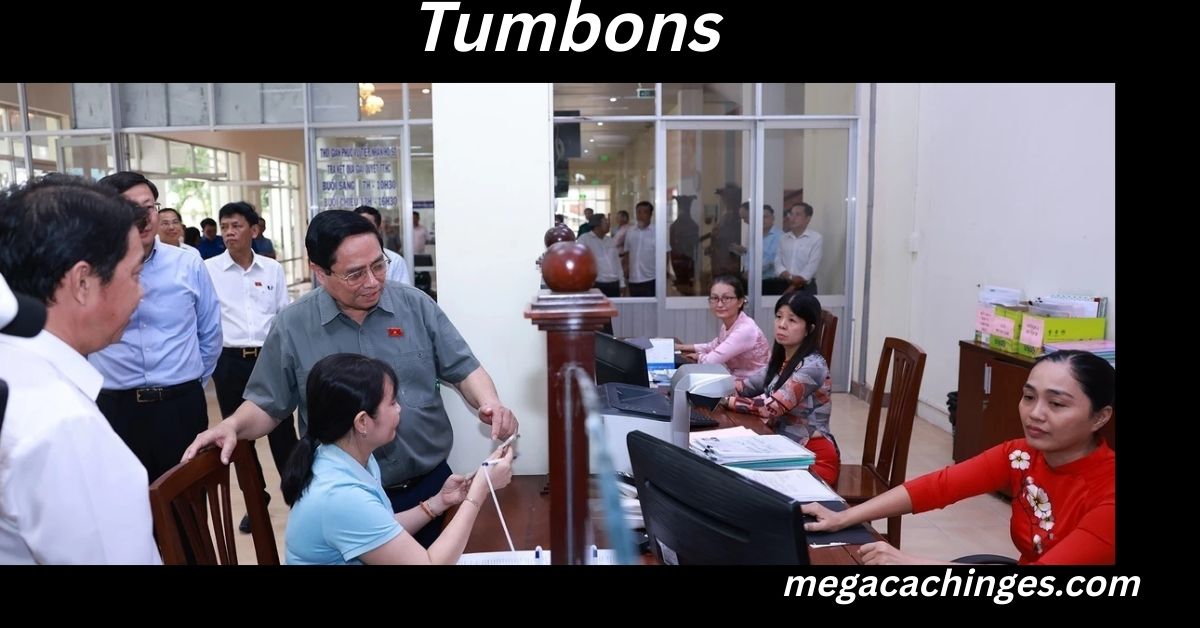
Tumbons: Thailand’s Local Administrative Units
Tumbons are one of the most important building blocks of Thailand’s administrative system, yet many people outside the country, and even some inside it, do not fully understand what tumbons are or why they matter. In simple terms, a tumbon (ตำบล) is a local administrative subdivision in Thailand. It sits below a district, which is called an amphoe, and above villages, which are known as mubans.
When people search for “tumbons,” they are often looking for clear, reliable, and practical information. This article is written to meet that need. It explains tumbons in very simple English, while also going deeper than most online sources. The goal is not just to define tumbons, but to help you truly understand how they work, why they exist, and how they affect everyday life in Thailand.
What Are Tumbons?
A tumbon is an administrative area that is part of a district, or amphoe. Each tumbon is made up of several villages, called mubans. You can think of a tumbon as similar to a township or a local community area in other countries, although it is not exactly the same.
Thailand’s administrative structure is organized in layers. At the top is the country itself. Below that are provinces, called changwat. Each province is divided into districts, or amphoe. Each amphoe is divided into tumbons, and each tumbon is divided into villages.
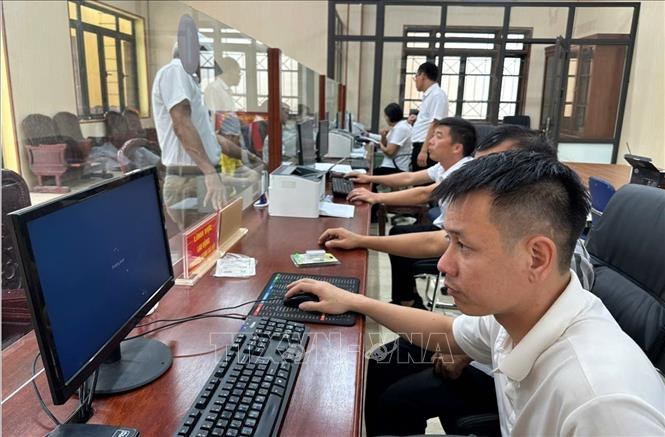
This layered system helps the government manage services, resources, and local development in an organized way. Tumbons are especially important because they are close to the people. They are small enough to understand local needs, but large enough to manage shared services and planning.
The Meaning and Origin of the Word Tumbon
The word tumbon comes from the Thai language and is written as ตำบล. Historically, the concept of tumbons developed as Thailand modernized its administrative system. In the past, local communities were organized in more informal ways, often based on tradition, family ties, and geography.
As Thailand built a modern state, it needed a clear and standardized system to govern land, collect data, provide public services, and maintain order. Tumbons became a formal way to group villages together under a recognized administrative unit.
Understanding the meaning of tumbons is not just about translation. It is about recognizing how Thailand balances central government control with local community management. Tumbons are one of the key tools used to achieve this balance.
Also Raed: Lufanest: Transforming Urban Living and Personal Spaces
Where Tumbons Fit in Thailand’s Administrative Structure
To fully understand tumbons, it helps to see the full structure of Thai administration in simple terms.
Thailand is divided into provinces. Each province is divided into districts. Each district is divided into tumbons. Each tumbon is divided into villages.
This structure allows decisions to be made at different levels. National policies come from the central government. Provincial governments manage large regional issues. District offices handle coordination and oversight. Tumbons focus on local needs, while villages focus on daily community life.
In practice, this means that many services people use every day, such as local roads, water systems, and community programs, are planned or supported at the tumbon level.
How Many Tumbons Exist in Thailand
Thailand has thousands of tumbons across the country. The exact number can change over time due to administrative reforms, population growth, and regional development. New tumbons may be created when areas grow larger or more complex, while others may be merged or adjusted.
What matters more than the exact number is the role tumbons play. Whether in a busy urban area or a quiet rural region, tumbons act as a link between the people and the higher levels of government.
Villages Within Tumbons
Each tumbon is made up of several villages, or mubans. A village is the smallest official administrative unit in Thailand. Villages are often close-knit communities where people know each other well.
By grouping villages into tumbons, the government can manage shared resources more effectively. For example, several villages might share a school, a health center, or a water system. Managing these at the tumbon level makes planning easier and more efficient.
This structure also gives villages a stronger voice. Instead of each village acting alone, they can work together through the tumbon system to express needs and request support.
Urban and Rural Tumbons
Not all tumbons are the same. Some are located in rural areas, while others are part of growing towns or cities. Rural tumbons often focus on agriculture, natural resources, and basic infrastructure. Urban tumbons may deal more with traffic, waste management, business regulation, and community services.
This difference is important because it shows how flexible the tumbon system is. The same basic structure can support very different types of communities. This flexibility is one reason tumbons remain relevant in modern Thailand.
Local Administration and Governance of Tumbons
Tumbons are not just geographic areas. They also have administrative bodies that help manage local affairs. In many areas, this body is called a Tambon Administrative Organization, often shortened to TAO.
TAOs are responsible for local development projects, public services, and community support. They work within national laws but have some freedom to decide how to use their budgets and resources.
This local governance model allows tumbons to respond to real needs instead of relying only on decisions from far-away offices. For example, if a tumbon needs better drainage to prevent flooding, the TAO can plan and manage that project directly.
Tambon Administrative Organizations Explained Simply
A Tambon Administrative Organization is like a local council. It is made up of elected representatives who live in or near the tumbon. These representatives understand local conditions and concerns.
The TAO handles tasks such as maintaining local roads, supporting schools, managing waste, and organizing community activities. Funding usually comes from a mix of local taxes, government support, and specific project grants.
This system gives people at the tumbon level a sense of participation. They can vote, attend meetings, and share opinions about local development.
Why Tumbons Matter in Daily Life
For many people in Thailand, tumbons are the level of government they interact with most often. When a road needs repair, when a community event is planned, or when local rules are discussed, tumbon officials are usually involved.
Also Read: Brunysixl: The Ultimate Beginner-Friendly Blogging Platform Explained in Depth
Even for visitors or foreigners living in Thailand, understanding tumbons can be helpful. Addresses often include the tumbon name. Local services and offices are organized by tumbon. Knowing the tumbon can make daily life easier.
From a broader perspective, tumbons matter because they show how governance works at the grassroots level. They are where policy meets reality.
Tumbons and Address Systems
Thai addresses include several parts, and the tumbon is one of them. A typical address lists the house number, village, tumbon, district, province, and postal code.
For people unfamiliar with Thailand, this may seem complex. However, it reflects the layered administrative system. Including the tumbon helps ensure accurate delivery of mail and services.
Understanding tumbons also helps when using maps, government forms, or online services related to Thailand.
Economic Role of Tumbons
Tumbons play a quiet but important role in the local economy. Many economic activities are organized or supported at the tumbon level. This includes agriculture, small businesses, markets, and local tourism.
In rural areas, tumbons often support farming communities by improving infrastructure, promoting local products, and connecting farmers with resources. In urban areas, tumbons may focus on business regulation, market management, and job creation.
By supporting local economies, tumbons help reduce inequality between regions and improve overall quality of life.
Tumbons and Community Development
Community development is one of the core purposes of tumbons. Development does not only mean building roads or buildings. It also includes education, health, culture, and social support.
Many tumbons organize training programs, health campaigns, and cultural events. These activities strengthen community ties and improve well-being.
This local focus is one of the strengths of the tumbon system. National policies can be adapted to local realities through tumbon-level action.
Cultural Importance of Tumbons
Tumbons are not just administrative units. They are also cultural spaces. Traditions, festivals, and local customs often operate at the tumbon level.
For example, a tumbon may organize annual festivals, religious ceremonies, or cultural exhibitions. These events help preserve local identity while also promoting unity among villages.
In this way, tumbons help balance modernization with cultural preservation.
Tumbons in Education and Health Services
Education and health services often involve tumbon-level planning. While schools and hospitals may be managed by higher authorities, tumbons often support them through maintenance, community programs, and coordination.
Health campaigns, such as vaccination drives or public health education, are frequently organized through tumbon structures. This local involvement increases trust and participation.
Education programs, especially informal or adult education, also benefit from tumbon support.
Tumbons and Infrastructure Planning
Infrastructure is one of the most visible areas where tumbons make a difference. Roads, drainage systems, public spaces, and utilities often fall under tumbon responsibility.
Local knowledge is crucial here. Tumbon officials know which roads flood during heavy rain, which areas need lighting, and where safety improvements are needed. This knowledge allows for more effective planning than centralized decision-making alone.
Tumbons and Environmental Management
Environmental issues are increasingly important, and tumbons play a growing role in managing them. Waste management, water conservation, and local environmental protection are often handled at the tumbon level.
Because tumbons are close to natural resources and communities, they can promote sustainable practices more effectively. This includes recycling programs, clean-up campaigns, and conservation education.
Modern Challenges Facing Tumbons
Despite their importance, tumbons face several challenges. Rapid urbanization, population changes, and limited budgets can strain local administration.
Some tumbons struggle with balancing development and environmental protection. Others face challenges in engaging younger generations or adapting to digital systems.
Recognizing these challenges is important because it shows where improvement and reform may be needed.
Digital Transformation and Tumbons
Technology is slowly changing how tumbons operate. Digital record-keeping, online services, and data sharing can improve efficiency and transparency.
Also Read: New Software 418DSG7: A Complete Guide to the Future of Smart Digital Productivity
However, digital transformation is uneven. Some tumbons have embraced technology, while others still rely on traditional methods. Supporting digital skills at the tumbon level is an important step for future development.
Comparing Tumbons to Local Units in Other Countries
For a US audience, it can help to compare tumbons to familiar concepts. Tumbons share some similarities with townships or municipalities, but they are usually smaller and more closely tied to villages.
Unlike many US local governments, tumbons operate within a very structured national framework. This reduces local independence but increases consistency across the country.
Understanding this difference helps avoid confusion when thinking about governance in Thailand.
Why Understanding Tumbons Is Important for Researchers and Businesses
For researchers, tumbons provide valuable data units. Statistics on population, health, and development are often organized at the tumbon level.
For businesses, understanding tumbons can support market research, logistics, and community engagement. Local conditions can vary greatly between tumbons, even within the same district.
This makes tumbons a practical and meaningful unit of analysis.
Future of Tumbons in Thailand
The future of tumbons will likely involve gradual change rather than sudden reform. As Thailand continues to develop, tumbons may gain more responsibilities or adopt new technologies.
There is also ongoing discussion about decentralization and local empowerment. Tumbons are central to this conversation because they are already close to the people.
Strengthening tumbons can strengthen democracy, service delivery, and social trust.
Common Misunderstandings About Tumbons
One common misunderstanding is that tumbons are the same as villages. In reality, a tumbon is made up of multiple villages.
Another misunderstanding is that tumbons have no real power. While their authority is limited, tumbons play a practical and influential role in daily life.
Clearing up these misunderstandings helps people better appreciate the value of tumbons.
Practical Examples of Tumbons in Action
Imagine a rural area where several villages face seasonal flooding. At the tumbon level, officials can coordinate drainage improvements, apply for funding, and involve the community.
In an urban tumbon, officials might manage waste collection schedules, support local markets, and organize traffic safety programs.
These examples show how tumbons turn administrative structure into real action.
Frequently Asked Questions About Tumbons
What is the main purpose of tumbons?
The main purpose of tumbons is to manage local administration between districts and villages. They help coordinate services, development, and community needs at a local level.
Are tumbons only used in rural areas?
No, tumbons exist in both rural and urban areas. Their functions may differ depending on local conditions, but the basic structure remains the same.
How are tumbon officials selected?
Many tumbon officials are elected by local residents, especially within Tambon Administrative Organizations. This allows community participation in local governance.
Do tumbons have their own budgets?
Yes, tumbons often manage their own budgets, which come from local revenue and government support. Budget size and flexibility vary by area.
Can tumbon boundaries change?
Yes, tumbon boundaries can change due to administrative decisions, population growth, or development needs. These changes are usually managed by higher authorities.
How do tumbons support education?
Tumbons support education by maintaining facilities, organizing community programs, and coordinating with schools and education offices.
Why are tumbons important for addresses?
Tumbons help identify exact locations within districts and provinces, making addresses more accurate and organized.
Do foreigners living in Thailand need to know their tumbon?
While not always required, knowing your tumbon can be helpful for paperwork, local services, and understanding your community.
How do tumbons differ from municipalities?
Municipalities usually cover more urbanized areas and may have different administrative powers. Tumbons are more common and often include rural or mixed areas.
Will tumbons become more powerful in the future?
It is possible that tumbons will gain more responsibilities as Thailand continues to explore decentralization and local governance reform.
Conclusion: Why Tumbons Deserve More Attention
Tumbons may seem like a small detail in Thailand’s administrative system, but they play a major role in shaping everyday life. They connect villages to districts, people to government, and policy to practice.
By understanding tumbons, you gain insight into how Thailand functions at the local level. You also see how community, culture, and administration come together in a practical and human way.
This article has gone beyond basic definitions to explore the structure, purpose, challenges, and future of tumbons. With this knowledge, readers are better prepared to understand Thai society, governance, and local development in a meaningful and informed way.